
|
Did you know that the faster a wound heals, the lower the risk of infection?
A wound is an injury that occurs when the skin and underlying tissues are damaged due to trauma, causing the skin to break or tear. While the body has a natural healing process that repairs damaged tissue and closes the wound over time, proper wound care plays an equally important role in achieving a safe and speedy recovery.
Whether caused by an accident, surgery, or a medical procedure, any wound can become inflamed or infected if it is not cared for properly. Infections may delay healing and, in severe cases, spread to deeper tissues or other parts of the body, leading to serious complications.
Many wound infections are preventable with the right knowledge and proper first aid. Cleaning the wound correctly, keeping it protected, and using appropriate wound dressings can significantly reduce the risk of infection while promoting faster healing. Proper wound care not only shortens recovery time but also helps prevent complications that could require more intensive medical treatment.
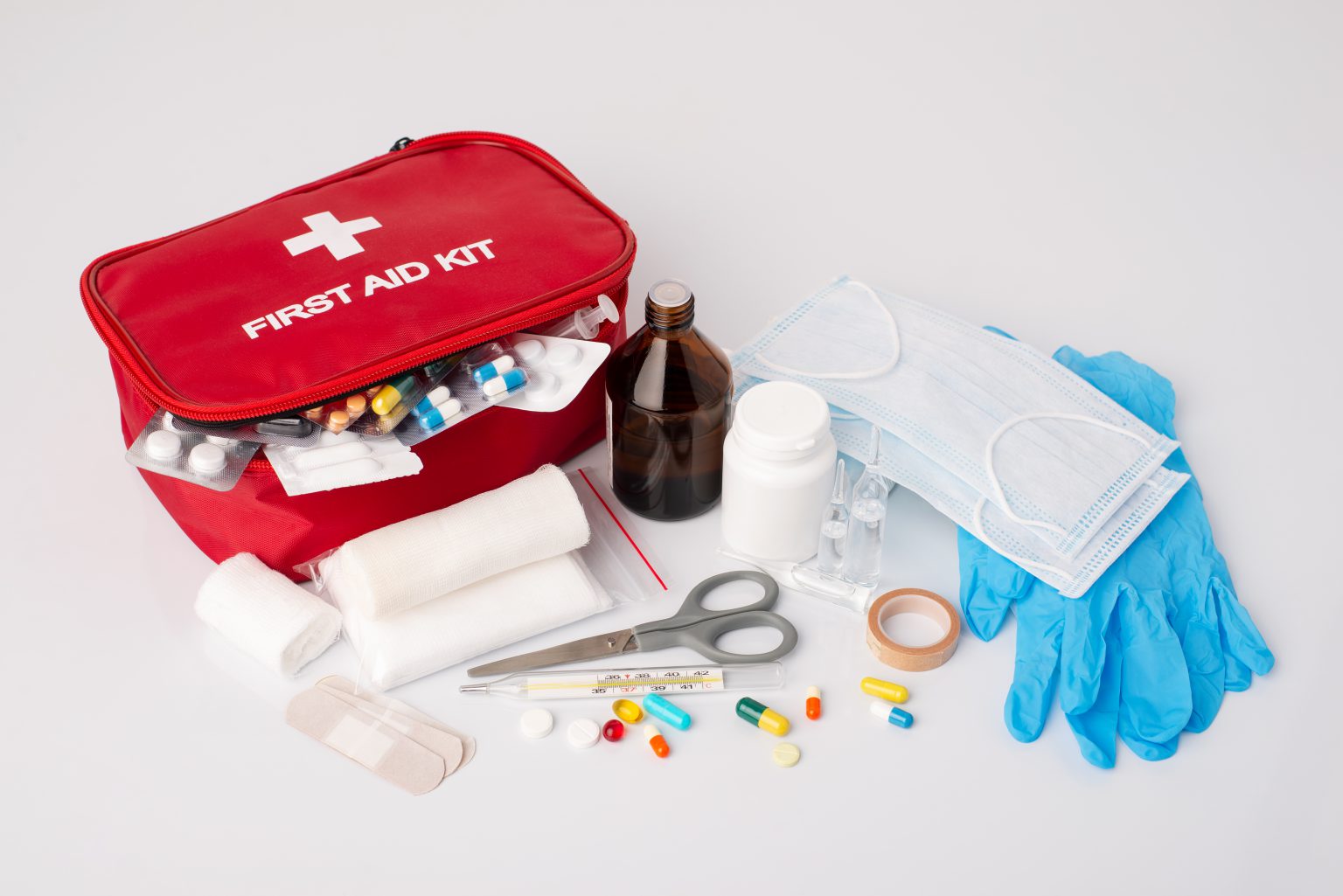
Proper wound cleaning is the first step toward faster healing and infection prevention. It helps create the ideal environment for the body's natural healing process by:
Promoting the growth of healthy new tissue.
Protecting the wound from dirt, bacteria, and other contaminants.
Keeping the wound moist to support optimal healing.
Preventing dressings from sticking to the wound and damaging newly formed tissue during removal.
Protecting the wound and fragile new tissue from friction, impact, and further injury.
Wash your hands thoroughly before and after treating the wound to reduce the spread of germs.
Rinse the wound with clean water, then gently pat it dry with a clean towel or sterile gauze.
Clean only the skin around the wound with alcohol. Do not apply alcohol directly to the wound, as it can damage healthy tissue and delay healing.
Clean the wound with sterile saline or clean water using sterile gauze or cotton. Wipe gently from the center of the wound outward in one direction. Avoid scrubbing or wiping back and forth.
Apply an appropriate antiseptic or topical antibiotic only if recommended by a healthcare professional or according to the product instructions.
Cover the wound with an adhesive bandage or transparent wound film. Choose a dressing that is thin, flexible, breathable, gentle on the skin, and provides effective protection against water, dirt, and bacteria. The right dressing helps maintain an optimal healing environment, reduces inflammation, and may minimize the risk of scarring.
Following these simple wound care practices can help speed up healing and reduce the risk of infection:
Clean the wound daily, or at least once a day, to keep it free from dirt and bacteria.
Keep the wound dry. Avoid soaking or exposing it to excessive moisture. If the dressing becomes wet or saturated, replace it immediately.
Eat a balanced diet that includes all five food groups. Adequate protein, fluids, vitamins (especially Vitamins C, A, and E), and minerals are essential for tissue repair and wound healing.
Avoid scratching the area if the skin becomes itchy or irritated. If you experience an allergic reaction to the dressing, switch to a different type instead of scratching, as scratching can damage the surrounding skin and increase the risk of infection.
Watch for signs of infection. If the wound becomes swollen, red, warm, changes color, produces pus, or becomes increasingly painful, seek medical attention promptly.
Reference: Dr. Suthee Kosol, Family Medicine and Acupuncture Department, Bangkok Ratchasima Hospital.
The best products recommended for you
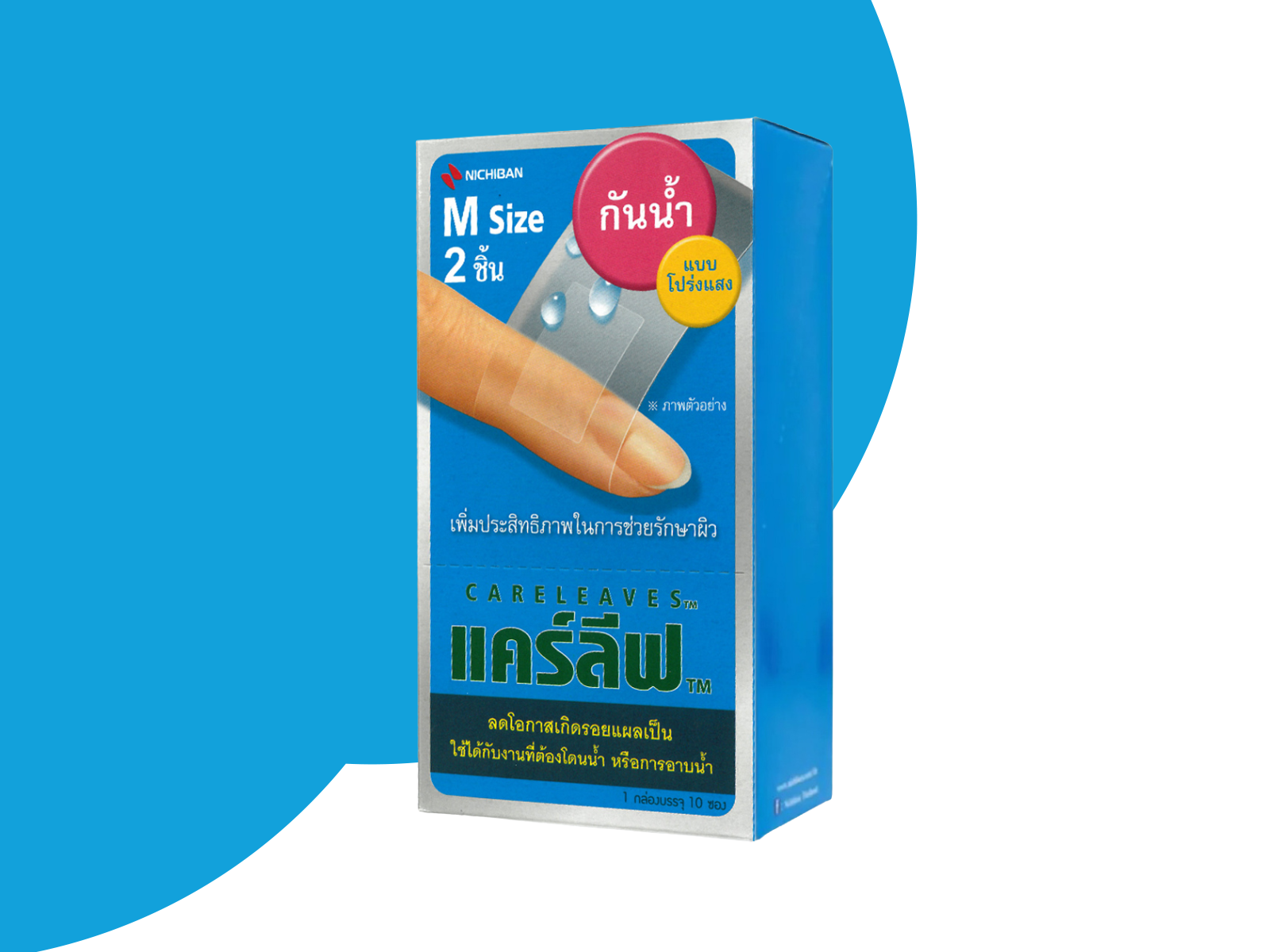
Nichiban Careleaves Hydrocolloid Helps protect wounds, relieve pain, maintain a moist healing environment, and support wound healing