
|

When an accident happens and you get a cut or scrape, the first thing that comes to mind is usually an adhesive bandage. It is one of the most essential first-aid supplies, found in homes, offices, schools, and workplaces, ready to protect wounds and provide immediate care in an emergency.
But did you know that the adhesive bandage was actually invented more than 100 years ago?
Its story began with a husband who wanted a quicker and easier way to care for his wife’s frequent minor injuries. What started as a simple act of love and care eventually became one of the world's most widely used first-aid inventions.

In the 1920s, Earle Dickson, an employee of Johnson & Johnson, was married to Josephine Dickson, a new homemaker who frequently suffered minor cuts and burns while doing household chores. As a result, Earle found himself dressing her wounds almost every day.
Wanting to make the process quicker and more convenient, he came up with a simple but ingenious idea: placing a small piece of sterile gauze in the center of an adhesive tape strip. This allowed wounds to be covered much more easily, marking the beginning of what we now know as the adhesive bandage.
Recognizing its potential, Earle later presented his idea to Johnson & Johnson. The company immediately saw its value. As a leading manufacturer of sterile gauze, surgical dressings, and other medical supplies, Johnson & Johnson had the expertise and resources to bring the invention to market. The adhesive bandage was soon commercially produced and introduced with the goal of making everyday wound care faster, easier, and more accessible for everyone.
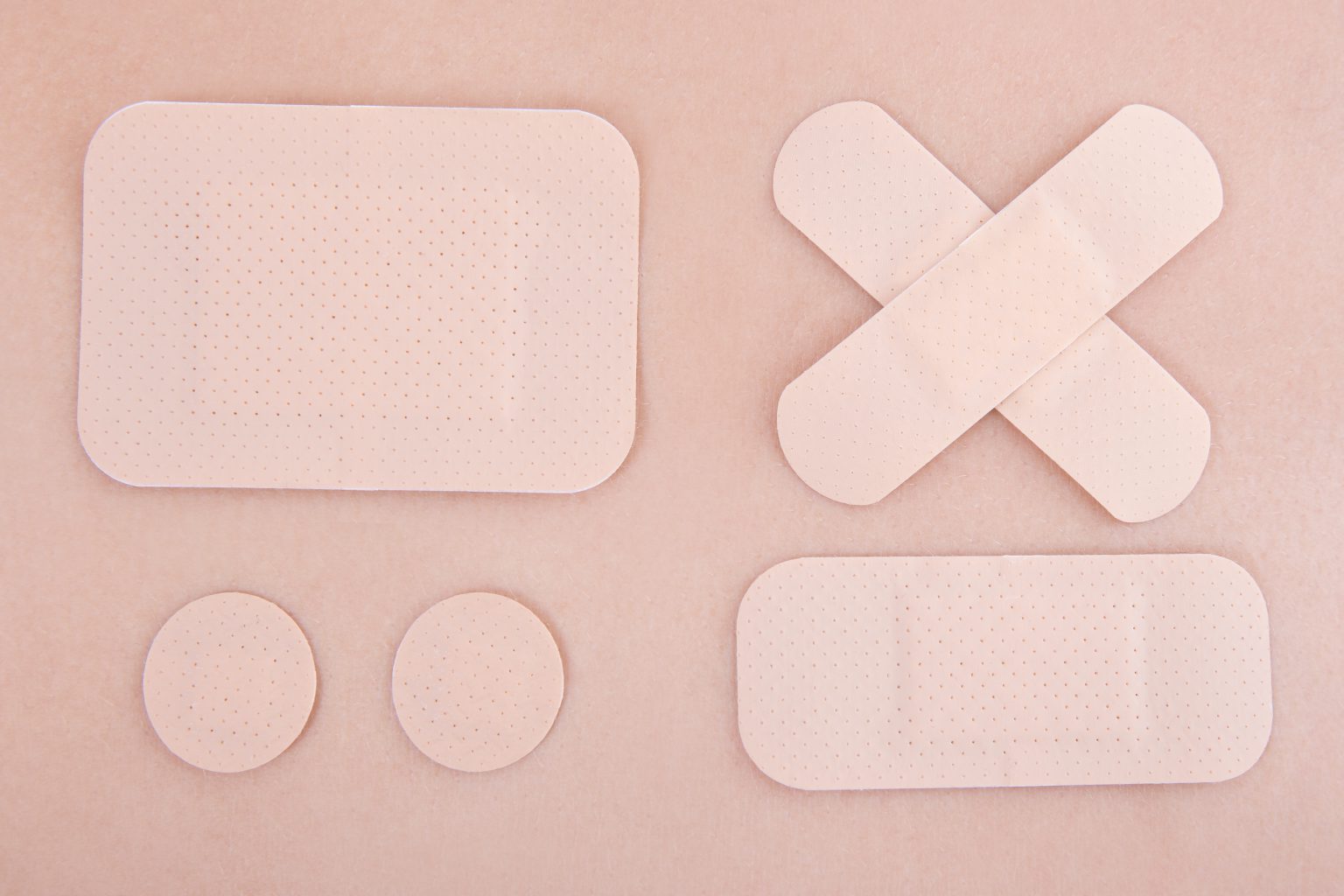
Although the invention was ingenious, the first adhesive bandages were not an immediate success. Early versions measured 3 inches wide and 18 inches long, making them impractical for everyday use. Over time, however, the product was refined with smaller, more convenient sizes and supported by effective marketing. It eventually gained widespread popularity under the Band-Aid® brand name.
Since then, adhesive bandages have continued to evolve. Improvements have been made in their size, adhesive technology, wound pad materials, and sterile packaging, making them safer, more comfortable, and easier to use. Today, many adhesive bandages are designed to provide better breathability, stronger yet skin-friendly adhesion, and enhanced protection against contamination.
Today, the global market offers a wide variety of adhesive bandages in different sizes, shapes, and materials to suit different types of wounds and body areas. Depending on the brand, the backing material may be made from highly flexible fabric, waterproof film, or other advanced materials, each offering unique benefits in comfort, durability, and wound protection.
While adhesive bandages are far more convenient than traditional wound dressings, choosing the right one remains important. A high-quality adhesive bandage should be gentle on the skin, minimize the risk of irritation or infection, feature a soft and absorbent wound pad, and be manufactured under sterile conditions to ensure safe wound care.
Source: Office of the Permanent Secretary, Ministry of Higher Education, Science, Research and Innovation (MHESI), Thailand.
The best products recommended for you
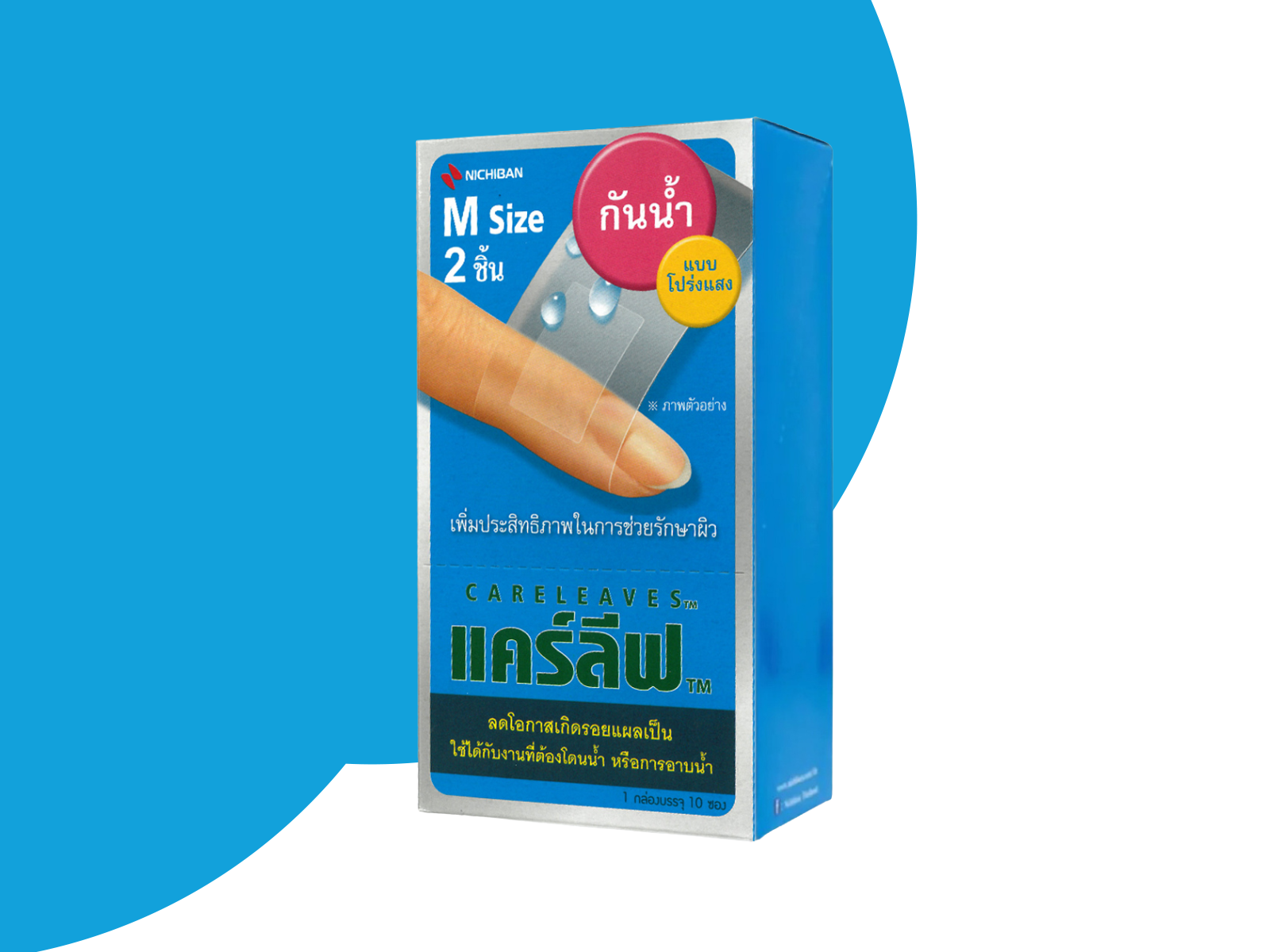
Nichiban Careleaves Hydrocolloid Helps protect wounds, relieve pain, maintain a moist healing environment, and support wound healing