
|
Are You Struggling with Chronic Constipation?
Many people focus on eating healthier foods to improve their gut health, but often overlook one important factor—their daily habits. Certain everyday behaviors can disrupt your digestive system, force your gut to work harder, and may increase the risk of chronic health problems over time.
Merry's Care has rounded up 5 habits your gut is begging you to stop—starting today!
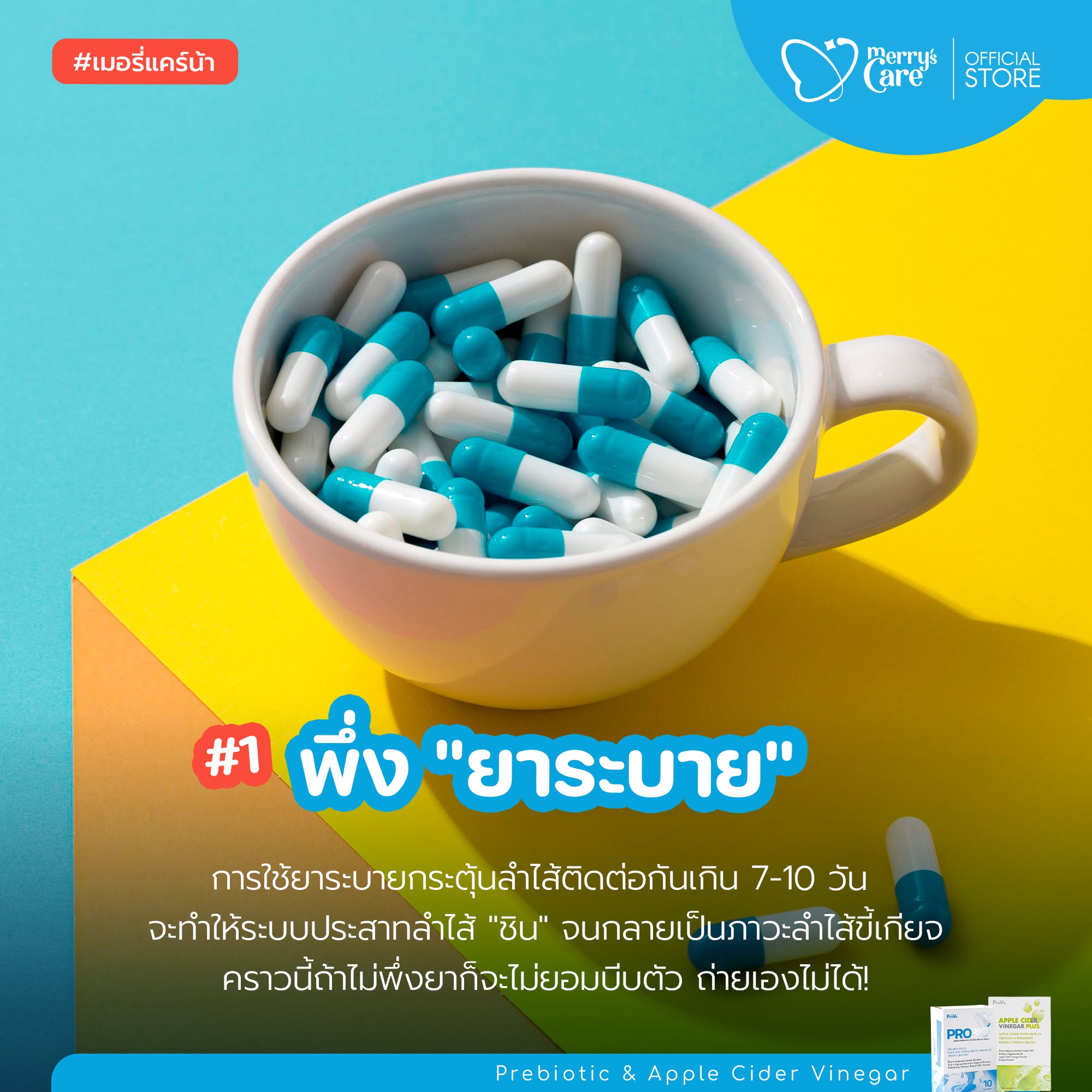
Regular use of stimulant laxatives for more than 7–10 consecutive days may cause your colon to become less responsive over time, a condition known as colonic inertia or a "lazy bowel." As a result, your intestines may struggle to function normally without laxatives.
It's also worth remembering that having a bowel movement every day isn't necessary for everyone. For many healthy individuals, having one every 2–3 days can still be considered normal, as long as it is comfortable and not associated with other symptoms.

Busy moms and office workers often get so caught up in their day that they forget to stay hydrated. When your body doesn't get enough water, the colon absorbs more water from your stool, making it hard, dry, and difficult to pass.
The result? Constipation, excessive straining during bowel movements, and an increased risk of developing hemorrhoids. Staying hydrated is one of the simplest ways to help keep your digestive system moving smoothly.

Dietary fiber from vegetables, fruits, and whole grains is the favorite fuel of the beneficial bacteria living in your gut. When you don't get enough fiber, gut motility slows down and the balance of your gut microbiome can be disrupted—a condition known as dysbiosis.
An unhealthy gut microbiome has been linked to a variety of health concerns, including insulin resistance, mood changes, and non-alcoholic fatty liver disease (NAFLD). Feeding your gut with fiber every day helps keep both your digestive system and overall health in balance.

Spending long hours sitting can slow down your digestive system. A sedentary lifestyle is associated with reduced bowel motility, making constipation more likely.
Simply getting up to stretch, taking regular walks, or engaging in exercise—whether it's a brisk walk or training for a marathon—can help stimulate your digestive tract, improve bowel movements, and promote healthier gut function. Regular physical activity also helps reduce abdominal fat, which is associated with chronic low-grade inflammation.

Too much alcohol and tobacco can directly damage the lining and protective barrier of your gut. Over time, this may lead to chronic intestinal inflammation, disrupt the balance of your gut microbiome, and impair overall digestive health.
Long-term smoking and heavy alcohol consumption are also associated with an increased risk of colorectal cancer and other gastrointestinal diseases. Cutting back—or quitting altogether—is one of the best things you can do for your gut and your overall health.
According to the Mayo Clinic, one of the world's leading medical institutions, gut health is closely connected to your overall health. Simple lifestyle changes—such as drinking 1.5–2 liters of water a day and consuming enough dietary fiber—don't just help keep your bowel movements regular. They also support a healthy immune system and contribute to healthier, more radiant skin.